Teeth Grinding or Jaw Clenching? Don’t Wait | Dentist in Summerville, SC
August 24, 2026 9:00 amYou may already know you grind or clench your teeth because your jaw feels sore when you wake up, your teeth feel sensitive, or someone has heard you grinding at night. But sometimes, you do not notice anything at all. Instead, Dr. Kate Palmateer, Dr. Josh Palmateer, or Dr. Cody Cutler may spot the signs during a routine dental exam before you ever connect them with bruxism.
Maybe the edges of your front teeth are starting to look flatter, a small chip keeps showing up in the same area, or an older crown is taking more wear than expected. You may also have faint soreness in the jaw that you have gotten used to and stopped thinking about. Those clues can add up, and once they do, it makes sense to figure out where the extra pressure is coming from.
At Seastone Dental in Summerville, SC, the team can look at your bite, the wear on your teeth, and the way your jaw muscles are responding. Grinding and clenching can happen while you sleep, while you work, while you drive, or all of the above. So even if you are not catching yourself doing it, your teeth may still be showing the evidence.
Teeth Grinding or Jaw Clenching?
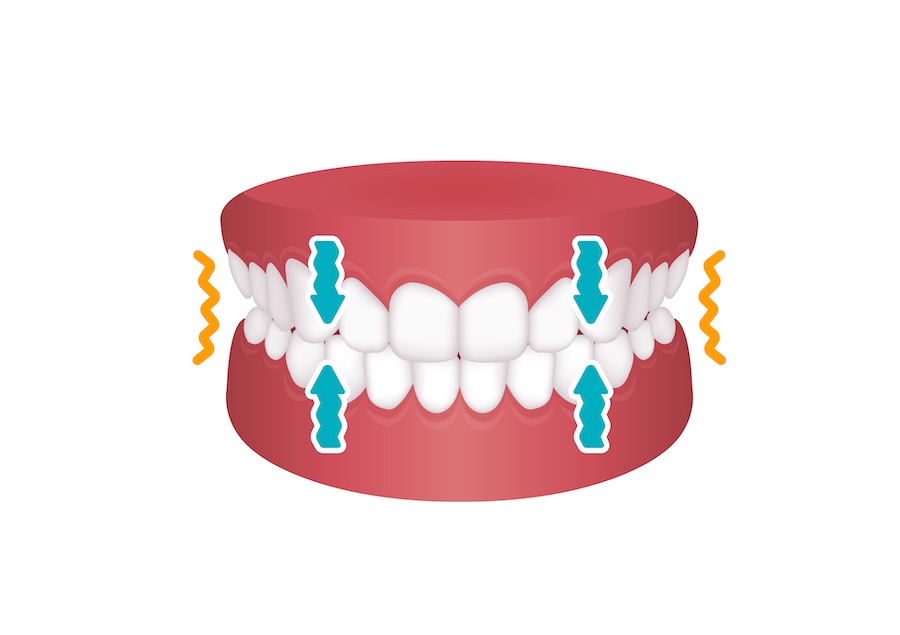
Grinding and clenching are usually grouped together under the term bruxism, but they do not always look the same. Grinding involves moving the teeth against each other, while clenching usually means holding the jaw tightly without much movement. Both can put a surprising amount of pressure on the teeth, muscles, and jaw joints.
Some people grind mostly at night, so the first clue may come from a spouse or partner who hears it. Others clench during the day while answering emails, sitting in traffic, lifting weights, or concentrating on something difficult. Then there are patients who do both and only notice once the jaw starts feeling tired or the teeth begin to change shape.
Because the habit can happen at different times, the signs can look different from one person to the next. One patient may have flattened front teeth with very little pain, while another may have headaches and tight jaw muscles but not much visible wear. Sometimes the dentist is the first person to point it out, especially if the wear has been building slowly.
Sometimes Your Dentist Notices It First
Not everyone comes in saying, “I think I grind my teeth.” In fact, plenty of people are surprised when grinding comes up during a regular cleaning and exam. The dentist may notice worn edges, small cracks, chipped enamel, or restorations that are showing more stress than expected.
Once the team points out the wear, you may start realizing that your jaw does feel tight in the morning or that you tend to clench when you are focused. Maybe one tooth has been a little sore on and off, but you never connected it with the way your bite is working. Routine visits give the team a chance to compare those changes over time instead of waiting for something to break.
If the same areas keep getting flatter or the same restoration keeps chipping, that starts to tell us more than one isolated problem would. Then the goal is not just to repair whatever failed most recently. It is also to figure out whether the bite is putting repeated pressure on that area.
What Grinding and Clenching Can Do Over Time
Grinding creates repeated tooth-to-tooth pressure, and over time, that can change the shape of the teeth. The biting edges may flatten, enamel can wear thinner, and small chips may start appearing. If you already have fillings, crowns, veneers, or bonding, those restorations can take extra force as well.
You may notice the change slowly. A tooth that once had a sharper edge may look shorter, or several front teeth may begin lining up in a flatter row. Sometimes the difference is easiest to see when you compare an older photo with your smile now.
Clenching can create a different set of symptoms because the jaw muscles are holding tension for long periods. You may feel tenderness near the temples, along the cheeks, or around the jawline, and some people also notice headaches. By evening, the jaw can feel tired even if you have not been chewing anything unusual.
Once enamel is worn away, it does not grow back, so mild wear is much easier to manage than severe wear. Protecting teeth that are still mostly intact can help you avoid rebuilding larger areas later. The same goes for crowns, fillings, and other dental work that may already be taking extra force.
Morning Soreness, Sensitivity, and Other Clues
Waking up with a sore jaw is one of the more common signs that nighttime clenching may be happening. After several hours of pressure, the muscles can feel overworked by morning. Some patients describe it as tightness or heaviness rather than sharp pain.
You may also notice that your teeth feel tender when you first bite down, or cold water suddenly bothers a tooth that never used to react. Then, as the day goes on, the soreness fades and you stop thinking about it. Since those symptoms can also come from cracks, cavities, or other dental issues, it is better to have them checked than to assume grinding is the cause.
Daytime clenching can be easier to spot once you know what to look for. You may catch yourself pressing your teeth together while typing, driving, lifting weights, or concentrating on a task. A relaxed jaw usually has a little space between the upper and lower teeth when you are not chewing or swallowing, so if your teeth are touching most of the day, the muscles are not getting much of a break.
If you also notice headaches, jaw clicking, popping, or soreness around the joint, mention all of it during your visit. Those symptoms can overlap, and looking at them together gives the team a better idea of what may be driving the discomfort. The goal is to sort out the pattern instead of treating every symptom as a separate problem.
Chipped Teeth and Broken Dental Work Can Be a Warning
Grinding and clenching put extra force on natural teeth, but dental restorations feel that pressure too. A filling may chip, bonding can break along an edge, or a crown may fracture after repeated stress. If the same repair keeps failing, the bite may be part of the reason.
For example, replacing a chipped filling may fix the tooth for the moment, but if that spot keeps getting hammered every night, the new repair may not hold up as long as expected. The same goes for a crown that keeps feeling sore or a front-tooth bonding repair that chips more than once. In those cases, it makes more sense to look at the pressure along with the restoration itself.
If you have already invested in crowns, veneers, implants, or other dental work, bruxism can put those restorations at risk right along with the natural teeth. Grinding does not stop because a tooth has a crown on it. So if wear is showing up on dental work as well as enamel, the bite deserves a closer look.
Stress Can Play a Role, but So Can Sleep
Stress and tension can increase clenching for some people, especially during the day. You may notice your jaw feels tighter during a rough workweek or after several nights of poor sleep. However, stress is not the only possible factor, and not everyone who grinds their teeth feels particularly stressed.
Sleep-related grinding can sometimes show up alongside airway or sleep concerns. So if you snore heavily, wake up with dry mouth, feel unrefreshed despite sleeping, or have been told you stop breathing at night, bring that up. Those details can give the dentist a reason to ask more questions and, if needed, suggest a medical sleep evaluation.
A dentist cannot diagnose sleep apnea just by looking at worn teeth. Still, oral signs combined with symptoms can point toward something that deserves a closer look. If sleep disruption is contributing to the grinding, the dental side and medical side may need to be considered together rather than treating the teeth in isolation.
What We Look for During the Exam
If grinding or jaw clenching comes up during a visit, the doctors will usually look beyond the one tooth that hurts. Flattened edges, small chips, cracks, worn enamel, gum recession, and heavy bite contacts can all add up. They may also check the jaw muscles and ask when the soreness tends to show up.
Existing dental work gets checked too. A crown that feels sore, bonding that keeps chipping, or a filling that has fractured may be taking more force than the surrounding teeth. Looking at the whole bite can help show whether the problem is isolated or whether several areas are being overloaded.
What you notice at home helps connect the exam findings with your daily symptoms. Morning soreness, headaches, sensitivity, clicking, and daytime clenching can all give the doctors more context. If the discomfort shows up at a certain time of day or with certain activities, mention that too.
A Nightguard May Help Protect Your Teeth
If nighttime grinding or clenching is putting your teeth at risk, a custom nightguard may be recommended. It fits over the teeth and creates a barrier between the upper and lower arches, so the teeth are not grinding directly against each other. That does not necessarily stop the clenching habit itself, but it can protect the teeth from a lot of the wear that comes with it.
And if you are going to wear something down, it is far better to wear through a nightguard than your enamel, a crown, or a front-tooth bonding repair. Replacing a worn nightguard is usually much easier than repairing chipped teeth, replacing damaged restorations, or needing crowns because years of grinding have taken a toll.
A custom guard is made from impressions or digital scans of your teeth, so it is designed around your bite. That can make it more comfortable and stable than a generic over-the-counter guard, while also giving the dentist more control over how the teeth contact the appliance. If you already have visible wear or restorative work, that extra protection can make a big difference over time.
If Teeth Are Already Worn or Chipped
Sometimes the teeth need more than protection because the wear has already changed their shape. Small chips may be repaired with bonding, while larger structural damage may need crowns or another restorative option. The amount of tooth structure left and where the damage sits in the bite both affect what makes sense.
If several front teeth have been worn down, rebuilding them can also change how the bite comes together. So those repairs need to be planned around the way the teeth meet, not just around how the edges look. Otherwise, the same force that caused the damage can go right back into the new work.
At Seastone Dental, the doctors can look at what needs protection now and what may need rebuilding later. If several teeth are involved, treatment can sometimes be staged instead of doing everything at once. That gives you a plan based on how much wear is already there and whether it is still progressing.
Do Not Wait Until Something Breaks
It is easy to ignore mild jaw soreness when it comes and goes. The same is true for a little sensitivity or a chipped edge that does not hurt. But if grinding or clenching is behind those changes, the pressure can keep going whether the symptoms feel big or not.
Protecting teeth with early wear is very different from rebuilding teeth that have already lost a large amount of enamel. The same applies to crowns, fillings, and other dental work that may be taking extra force night after night. So if your dentist points out wear during a routine exam, that is a good time to ask what may be causing it rather than waiting for the next sign.
If you keep waking up sore, notice your teeth getting flatter, know you clench when you concentrate, or have dental work that keeps chipping, bring it up. You do not need to wait for a cracked tooth or severe jaw pain before having the bite checked. Catching the pattern earlier gives you more options for protecting what is still healthy.
Teeth Grinding and Jaw Clenching Treatment at Seastone Dental in Summerville, SC
Maybe you wake up with a tight jaw, notice headaches around your temples, or have a tooth that keeps feeling sore without an obvious reason. Or maybe you came in for a regular cleaning and learned that your teeth are showing wear you had never noticed. Either way, grinding and clenching can put a lot of pressure on your teeth, jaw, and existing dental work over time.
At Seastone Dental in Summerville, SC, Dr. Kate Palmateer, Dr. Josh Palmateer, and Dr. Cody Cutler can look at your bite, check for wear, and talk with you about what you have been noticing at home. If a nightguard, TMJ therapy, restorative treatment, or further evaluation makes sense, they can explain your options based on what your teeth are actually showing. If jaw soreness, tooth wear, sensitivity, or clenching has started becoming a pattern, call Seastone Dental to schedule a visit before more damage builds up!
Categorised in: Bruxism, Custom Nightguards

