How Often Should You Replace Your Toothbrush?
December 12, 2025 9:00 amYour toothbrush is one of the most important tools in your daily oral health routine — but it’s also something many people overlook when it comes to maintenance. How often you replace your toothbrush can have a real impact on your gum health, cavity prevention, and even the way your mouth feels each day.
At Seastone Dental in Summerville, SC, Dr. Kate Palmateer, Dr. Josh Palmateer, and Dr. Cody Cutler often talk with patients about simple habits that make a big difference. Replacing your toothbrush regularly is one of those habits.
Let’s dig into what the experts recommend, why it matters, and how to know when it’s time to say goodbye to your old brush.
The Basic Guideline: Every 3–4 Months
The general recommendation from dental professionals, including at Seastone Dental, is to replace your toothbrush — or the head of your electric toothbrush — approximately every three to four months.
Why this timing? Over time, the bristles on a toothbrush become frayed, bent, and less effective at removing plaque and bacteria. Even if you can’t see the wear, the brush no longer cleans as thoroughly as it did when it was new.
Think of your toothbrush like any tool that gets regular use: it wears down, and its performance diminishes. A fresh brush reaches into the grooves and curves of your teeth much more effectively than an old, worn one.
Signs Your Toothbrush Needs Replacing Sooner
While three to four months is a good rule of thumb, there are times you should replace your toothbrush sooner than that:
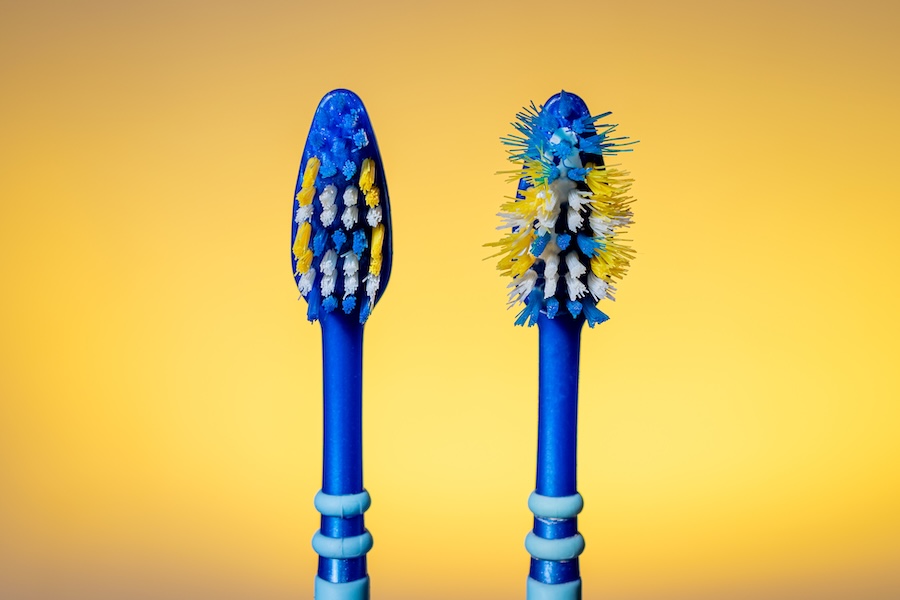
- Frayed or Splayed Bristles: If the bristles are visibly worn or angled outward, it’s time for a new brush. Worn bristles don’t clean as well and can irritate gums.
- After Illness: If you’ve had a cold, flu, bronchitis, or any contagious infection, replacing your toothbrush once you’ve recovered can help reduce the risk of reinfection.
- Unpleasant Odor or Staining: If your toothbrush starts to smell or show signs of discoloration even after rinsing, it’s a good idea to replace it.
- Children’s Brushes: Kids often chew on their toothbrushes or use them vigorously — both of which wear bristles faster. Replacing children’s toothbrushes more frequently can be beneficial.
In these situations, it’s best to err on the side of fresh and clean.
Electric Toothbrush Heads: Same Rule Applies
If you use an electric toothbrush, the handle may last for years, but the brush head doesn’t. Just like manual brushes, electric brush heads should be replaced about every three to four months — or sooner if you notice signs of wear.
Many electric toothbrushes even have indicator bristles that fade as the bristles wear down, giving you a built‑in cue that it’s time for a change.
What Happens If You Wait Too Long?
Using a worn toothbrush isn’t just a matter of aesthetics — it affects your oral health. As bristles fray:
- Plaque removal becomes less effective
- Tartar buildup is more likely
- Gum inflammation (gingivitis) may increase
- Bad breath can persist longer
Even with excellent brushing habits, an old brush simply can’t reach the hidden spots between teeth and along the gumline as effectively as a fresh one.
Regular replacement helps your daily routine do what it’s meant to do: maintain healthy teeth and gums between professional dental cleanings.
Quick Tips for Better Brushing Habits
Keeping your toothbrush clean and effective doesn’t stop at replacing it regularly. Here are a few habits to pair with routine changes:
- Rinse thoroughly after brushing: Rinse your brush well under running water and let it air dry in an upright position.
- Store it properly: Avoid closed containers that trap moisture and promote bacterial growth.
- Don’t share toothbrushes: Sharing brushes can spread bacteria and increase the risk of infection.
- Choose the right brush: Soft bristles are recommended for most people to protect enamel and gums.
These simple steps help keep your brush working its best every time you reach for it.
Oral Hygiene Tips at Seastone Dental
At Seastone Dental in Summerville, SC, we focus on practical, everyday habits that support your long-term oral health — and that includes knowing when to swap out your toothbrush. Replacing it every few months helps ensure your brushing is effective, comfortable, and working as it should. If you’re unsure which type of brush is right for you, or you have questions about your current routine, just ask at your next visit — Dr. Kate Palmateer, Dr. Josh Palmateer, and Dr. Cody Cutler are here to help.
Categorised in: Dental Tips, Oral Hygiene